Several years ago, I had the pleasure of working with a wonderful and sweet lady in our office. Besides being a good attorney, she was always full of energy and smiling. After retirement, she and her husband moved to Pennsylviana to be close to family and enjoy grandkids. However, all that changed when she was diagnoised with frontal temporal dementia.
Filing out an out-of-hospital “Do Not Resuscitate” form for your loved one is part of bringing in hospice to provide extra care. When hospice comes in curative care stops and comfort care begins. This is not an easy task to undertake for a loved one.
Many hold off signing an out of hospital do not resuscitate form because as someone goes down a path with no off-ramps, there could be times when resuscitation makes sense. Then there comes that day when you just need to accept those times are past; that if we have not reached the end, we can see it from here.
Advanced directives are designed to provide both guidance and comfort for those around someone who is nearing death, not to mention fulfilling the wishes of the one dying. Without having real conversations about this issue, you might not have that comfort. When you make a decision that basically accepts death as opposed to hope for life, it is hard, no matter how prepared for it you think you are. You come to realize this in conversations with others, particularly where maybe not all family members are accepting of the finality.
Most of us have an extended family and most of them are not “on the ground” with us the last few months are days we live. It is important that when the decision about the end of life is made, all of the close family is on board. Some extended family may not be, but , it is none of their business. Respect and courtesy says you inform them, but when it comes down the decision time, it’s up to the person legally designated to make that decision. Talk to whomever you want, but in the end, it will be who you choose to share information that matters. That is why it is important to really talk about the end of life when everyone is healthy and sound of mind. Such a conversation will provide a lasting memory and hopefully comfort.
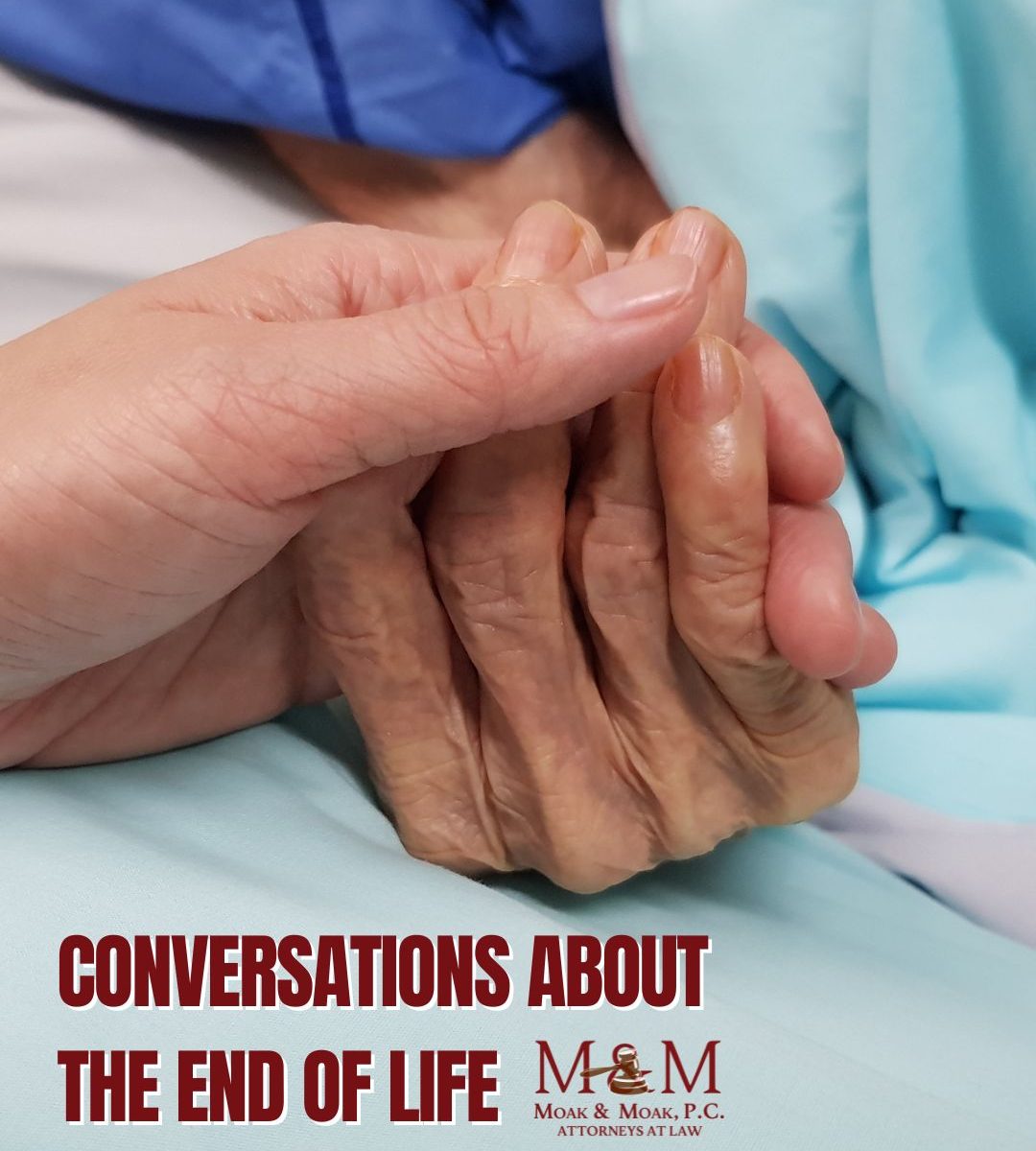
I can not tell you how many unbilled hours this sweet lady spent with families, holding their hands and guiding them. These memories came back to me reading her husband’s letter on this challenging time of life.
During these conversations you must be very clear with each other about what you want. For instance, I have had many clients recount when a loved one had a feeding tube installed and that person had no hope of recovery. Often followed by the statement “if you stick one of those down my throat, I will come back and haunt you.”
When one is suffering from something like frontal temporal dementia, which can impact swallowing at some point, just remembering those conversations gives comfort as you are making that particular decision.
When you have these conversations, sitting at the kitchen table or on the patio, you are not thinking about the time you will have to make decisions about life or death. Most believe they will live long lives then fall over dead without a lot of complications. However, life does not turn out that way.
This one hit close to home because my co-worker was such a sweet lady. It reminded me of my father’s journey at the end. Help your loved ones by communicating and making the decisions for them and then consult with an attorney to help you. These documents are very important and you cannot afford to leave an I un-dotted or a T un-crossed.